Global Issues
Delivering Clean Water Using Solar-Powered Pipelines
In this podcast, Benjamin describes TOHL’s rise to be a global industry leader in water logistics and infrastructure, and how it has been changing lives in the process.

In this podcast, Benjamin describes TOHL’s rise to be a global industry leader in water logistics and infrastructure, and how it has been changing lives in the process.
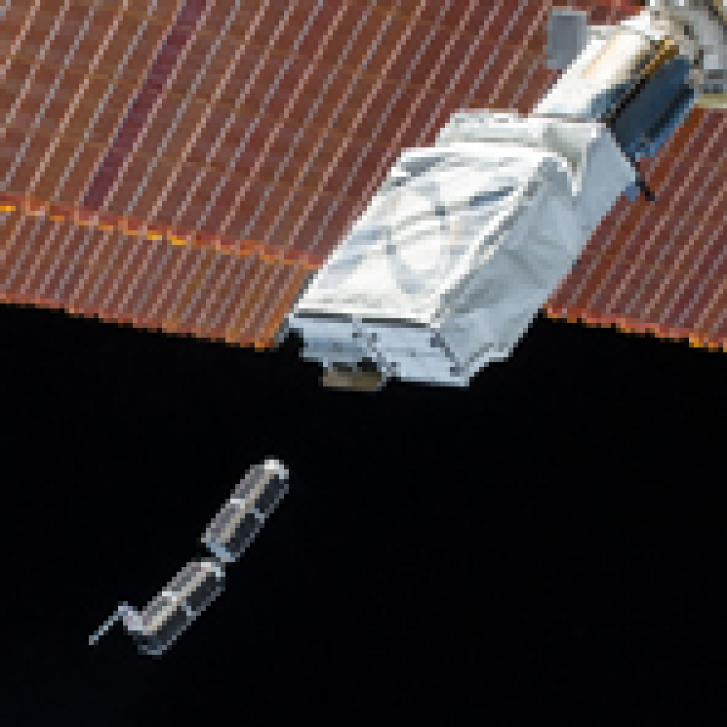
A Silicon Valley start-up that operates earth-orbiting imaging satellites is making them available to social innovators.
Host Ned Breslin speaks with the RYOT founders about their plans to disrupt traditional media by allowing people to “Become the News.”
How one volunteer relief organization’s approach and recruitment policies has allowed it to grow and remain relevant to the populations it serves.

The author of Cracking the Network Code discusses the important role of networks in scaling up solutions.

After a disaster, donors to relief funds pay more attention to the death toll than to the needs of survivors.
Human-centered design and systems thinking can help evaluate social impact in a global context.
It’s time to restructure the climate problem from averting a distant global catastrophe to minimizing collective suffering.
The superficially enticing “logic” of effective altruism ultimately leads to a moralistic, hyper-rationalistic, top-down approach to philanthropy that can kill the very altruistic spirit it claims to foster.
A $100 million foundation initiative aims to foster urban resilience in the face of disaster.